 Image 1 of 1
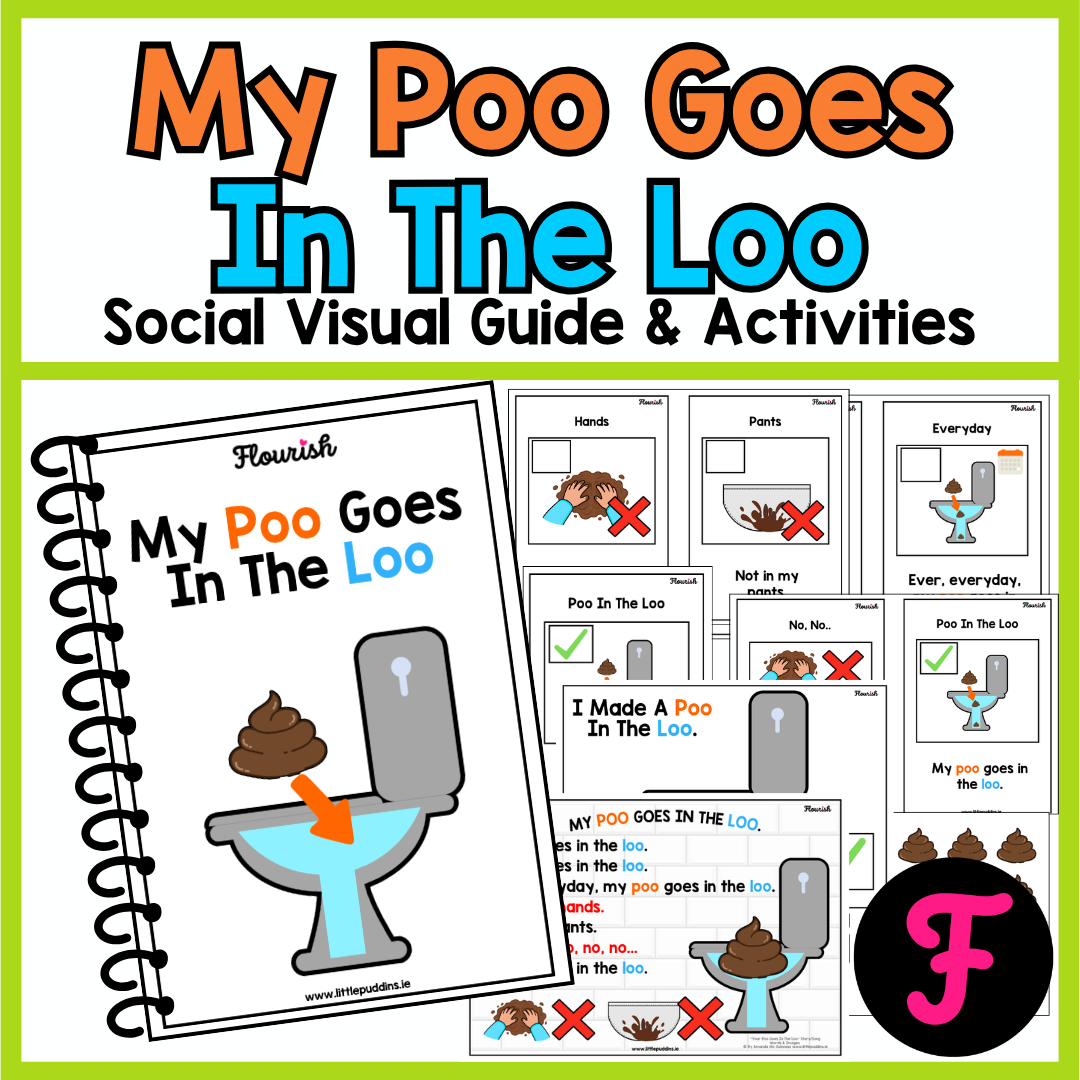
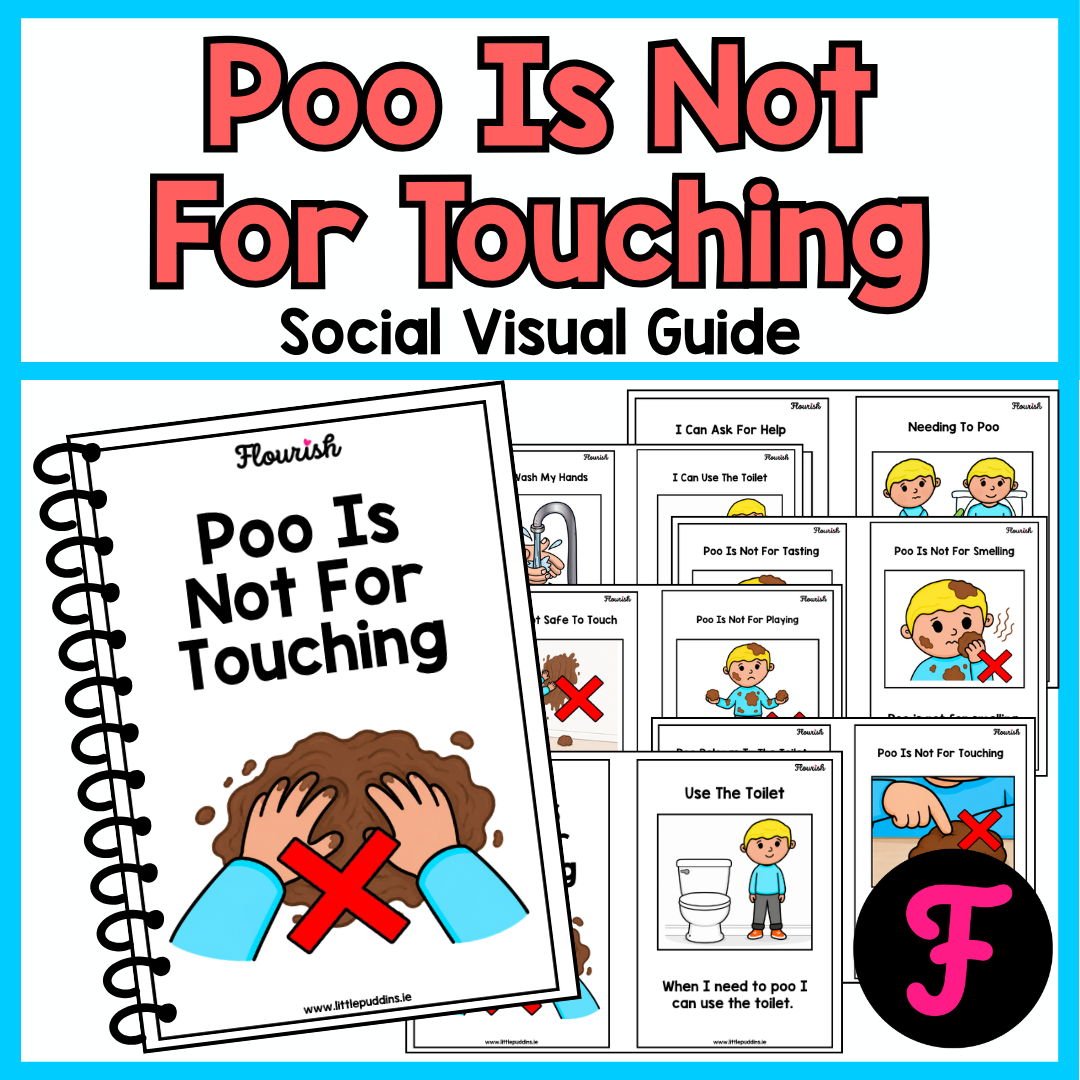
Poo Is Not for Touching is a clear, accessible social visual guide designed to support Autistic and neurodivergent children who may touch, play with or smear poo.
This is a digital PDF product.
Faecal smearing can have many underlying reasons, including sensory exploration, curiosity, communication, interoceptive differences, discomfort or unmet support needs. This resource uses simple language and clear visual information to establish important health and safety boundaries without shaming the child or framing their actions as deliberately inappropriate.
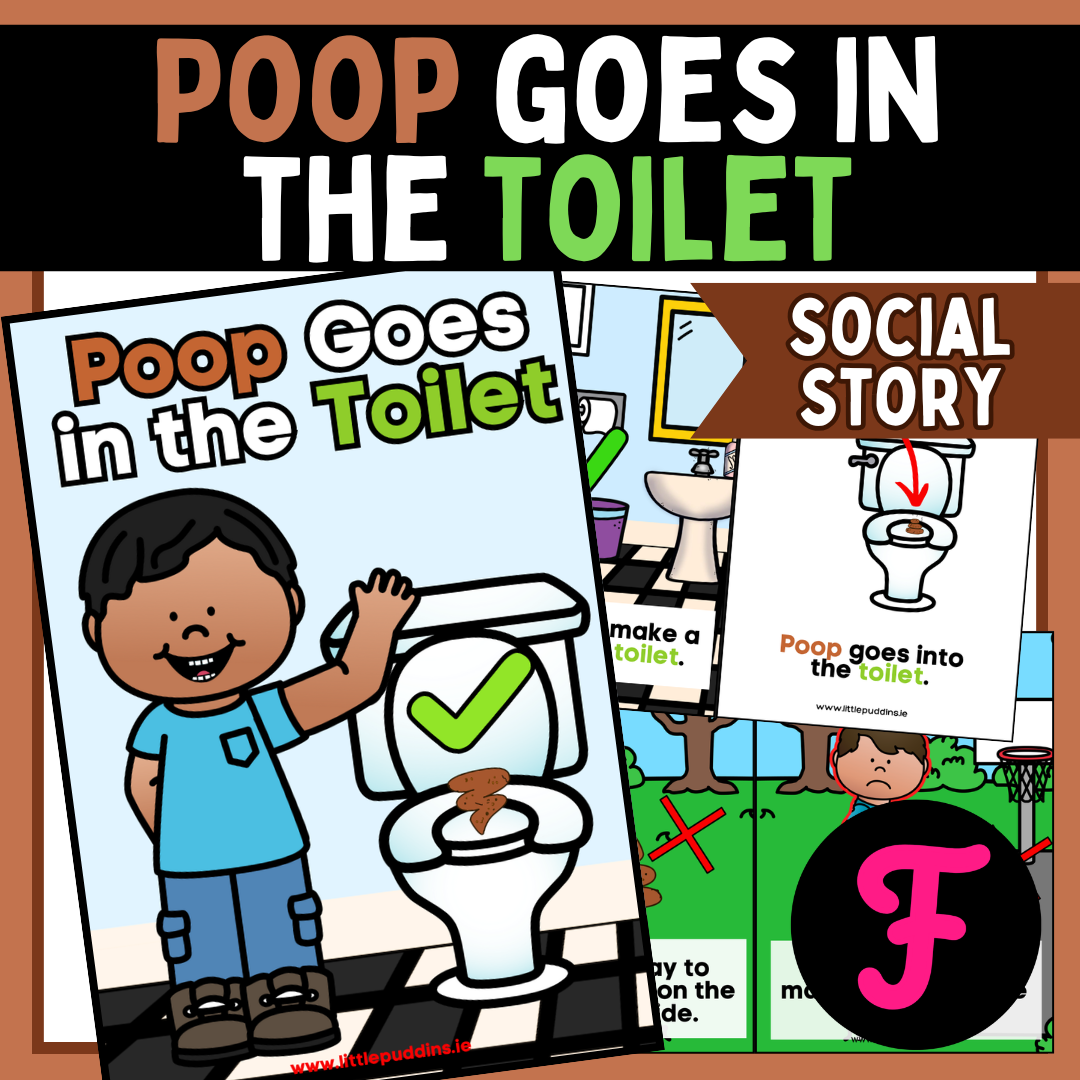
Through consistent visual explanations, the guide supports children to understand that poo belongs in the toilet and is not safe for touching, playing with, tasting or smelling. It explains that poo can contain germs that may make people unwell, providing a concrete reason for the boundary rather than relying solely on rules or adult expectations.
The resource also supports the child to understand what they can do when they need help. Visuals reinforce asking for support in their own way, washing hands when needed, and using the toilet for poo.
Created from a neuroaffirmative perspective, the guide recognises that touching or smearing poo may communicate an underlying need. The focus is on safety, understanding and supportive alternatives rather than punishment, shame or compliance.
poo belonging in the toilet
touching and playing with poo
faecal smearing on the body and environment
health and hygiene
tasting, licking and smelling poo
asking an adult for help
washing hands
using the toilet for poo
The visual format can be particularly helpful for children who benefit from concrete language, visual information, repetition and predictable explanations.
This resource may be useful for parents, caregivers, teachers, SNAs, Early Years educators and professionals supporting Autistic and neurodivergent children experiencing faecal smearing or poo-related sensory exploration.
Please note: Faecal smearing should not automatically be understood as a behavioural issue. Where smearing occurs, consideration should also be given to possible constipation, discomfort, toileting difficulties, sensory needs, communication, interoception and other factors that may be contributing to the child's experience.
Poo Is Not for Touching is a clear, accessible social visual guide designed to support Autistic and neurodivergent children who may touch, play with or smear poo.
This is a digital PDF product.
Faecal smearing can have many underlying reasons, including sensory exploration, curiosity, communication, interoceptive differences, discomfort or unmet support needs. This resource uses simple language and clear visual information to establish important health and safety boundaries without shaming the child or framing their actions as deliberately inappropriate.
Through consistent visual explanations, the guide supports children to understand that poo belongs in the toilet and is not safe for touching, playing with, tasting or smelling. It explains that poo can contain germs that may make people unwell, providing a concrete reason for the boundary rather than relying solely on rules or adult expectations.
The resource also supports the child to understand what they can do when they need help. Visuals reinforce asking for support in their own way, washing hands when needed, and using the toilet for poo.
Created from a neuroaffirmative perspective, the guide recognises that touching or smearing poo may communicate an underlying need. The focus is on safety, understanding and supportive alternatives rather than punishment, shame or compliance.
poo belonging in the toilet
touching and playing with poo
faecal smearing on the body and environment
health and hygiene
tasting, licking and smelling poo
asking an adult for help
washing hands
using the toilet for poo
The visual format can be particularly helpful for children who benefit from concrete language, visual information, repetition and predictable explanations.
This resource may be useful for parents, caregivers, teachers, SNAs, Early Years educators and professionals supporting Autistic and neurodivergent children experiencing faecal smearing or poo-related sensory exploration.
Please note: Faecal smearing should not automatically be understood as a behavioural issue. Where smearing occurs, consideration should also be given to possible constipation, discomfort, toileting difficulties, sensory needs, communication, interoception and other factors that may be contributing to the child's experience.